
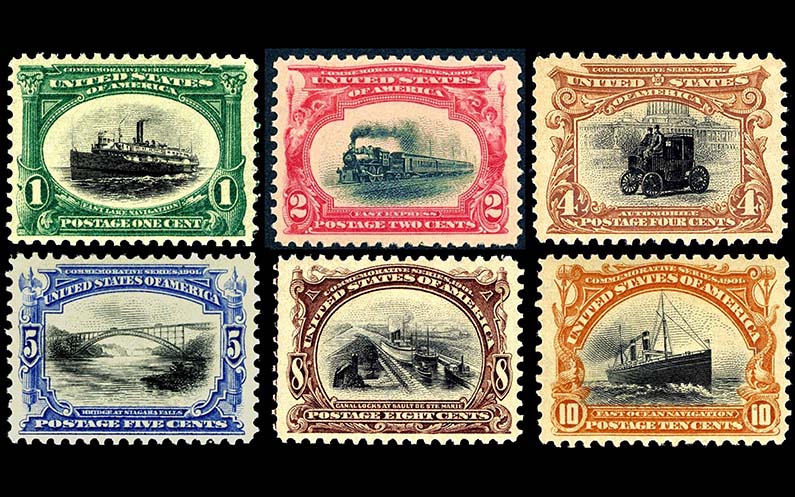
The Pan-American Exposition Issue is one of the most distinctive and historically significant series of United States commemorative postage stamps. Released in conjunction with the 1901 Pan-American Exposition in Buffalo, New York, the set of six bicolor stamps captured the public imagination by celebrating the rapidly accelerating pace of technological progress and America’s burgeoning industrial might at the dawn of the new century.
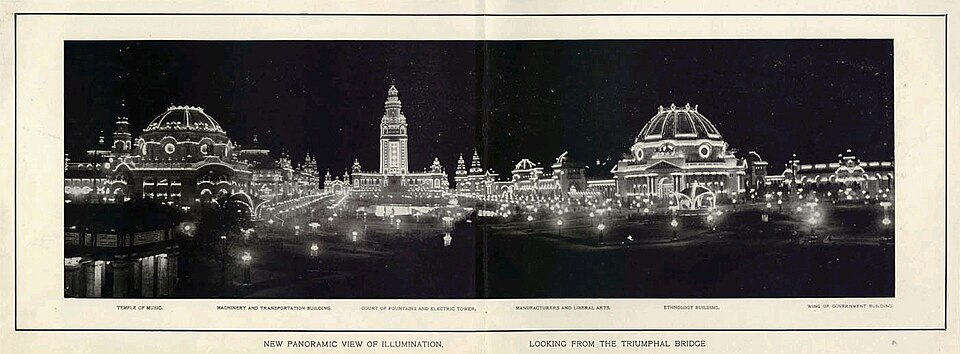
The primary reason for the issuance of the Pan-American Exposition stamps was to promote and commemorate the World’s Fair event itself. Held from May 1 to November 2, 1901, the exposition aimed to illustrate "the marvelous development of the Western Hemisphere during the Nineteenth Century" and foster "commercial well being and good understanding among the American Republics." The U.S. Post Office Department, having seen success with earlier commemorative issues like the Columbians (1893) and Trans-Mississippi (1898), released this new series on the exposition's opening day. Although prohibited from using the exhibition's name as advertising, the stamps were inscribed "Commemorative Series, 1901," and their designs were a direct visual tribute to the fair's central theme: modern transportation and technological advancement. Unlike previous issues that included high-denomination stamps mostly sought by collectors, this series was restricted to six affordable values, making them accessible for general use and thus increasing their promotional reach and popularity.
The set consisted of six denominations, each printed in two colors—a black central vignette contrasting with a colored frame—a feature that made them the first U.S. bi-color stamps since the 1869 Pictorial Issue. The stamps depict various modes of and adjuncts to rapid transportation:
1-cent, Green and Black: "Fast Lake Navigation." The central image features a steamship, representing maritime commerce on the Great Lakes.
2-cent, Red and Black: "Express Train." This vignette showcases the famous "Empire State Express" locomotive, symbolizing the speed and efficiency of rail travel.
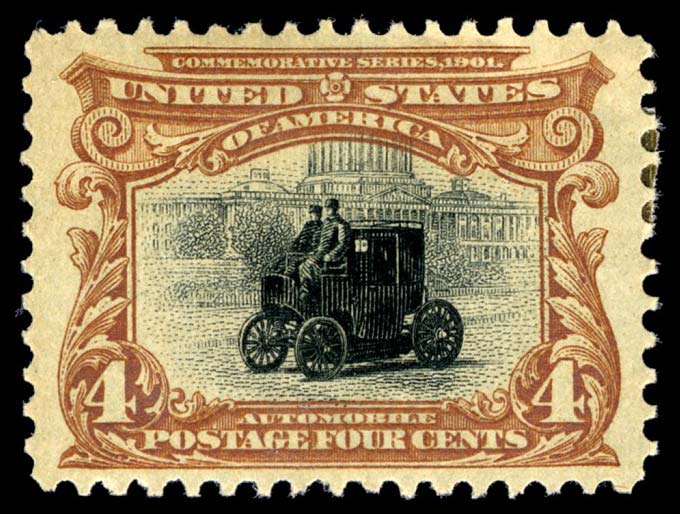
4-cent, Brown and Black: "Electric Automobile." This stamp, notable for depicting a groundbreaking technology of the era, features an early electric taxi, with the U.S. Capitol dome in the background.
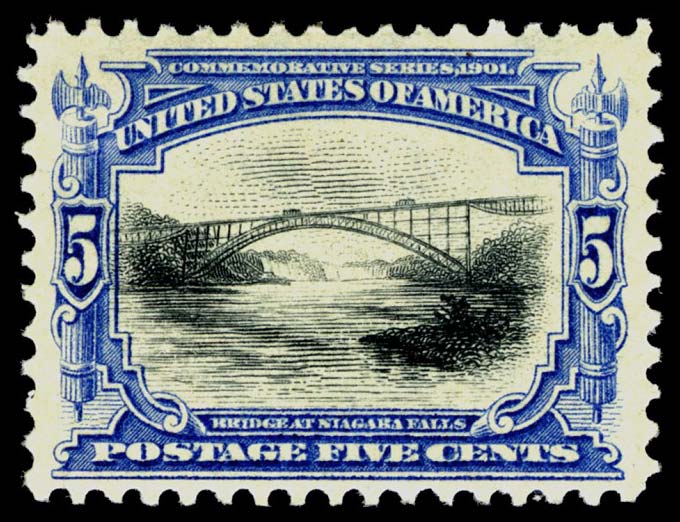
5-cent, Blue and Black: "Bridge at Niagara Falls." The design portrays the impressive Niagara Falls Suspension Bridge, an engineering marvel connecting the U.S. and Canada.
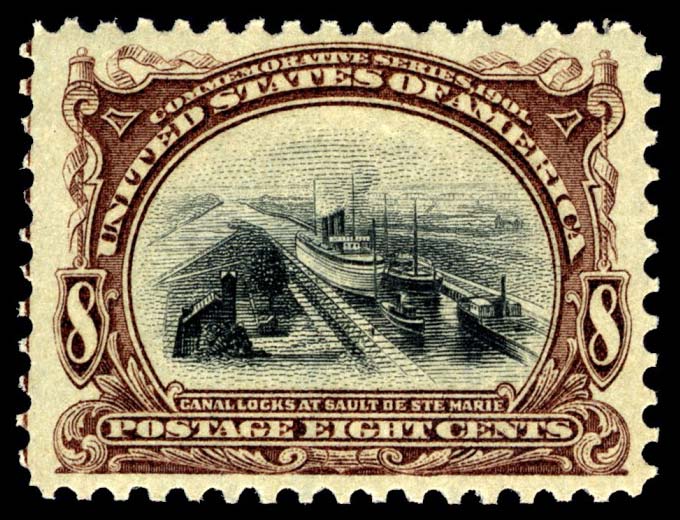
8-cent, Lilac-Purple and Black: "Canal Locks at Sault Ste. Marie." The stamp shows the significant canal locks, which facilitated Great Lakes shipping and commerce.
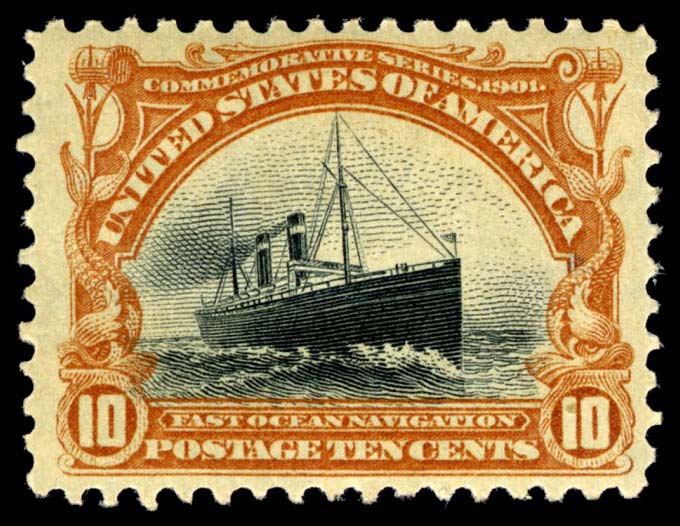
10-cent, Yellow-Brown and Black: "Fast Ocean Navigation." The highest denomination depicts an ocean liner, emphasizing international connectivity.
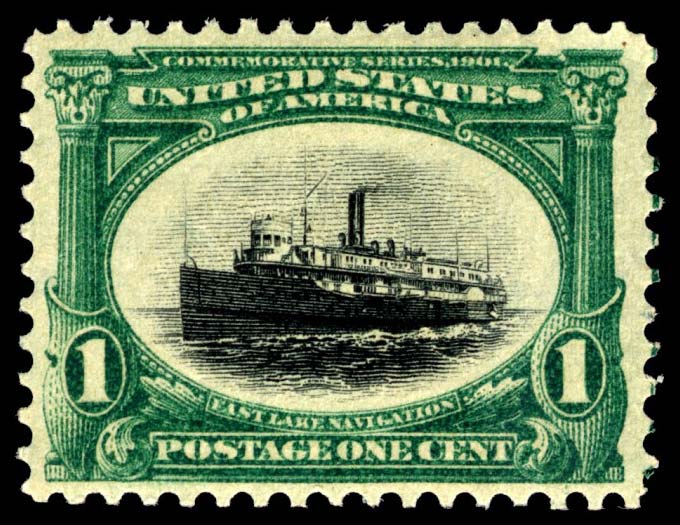
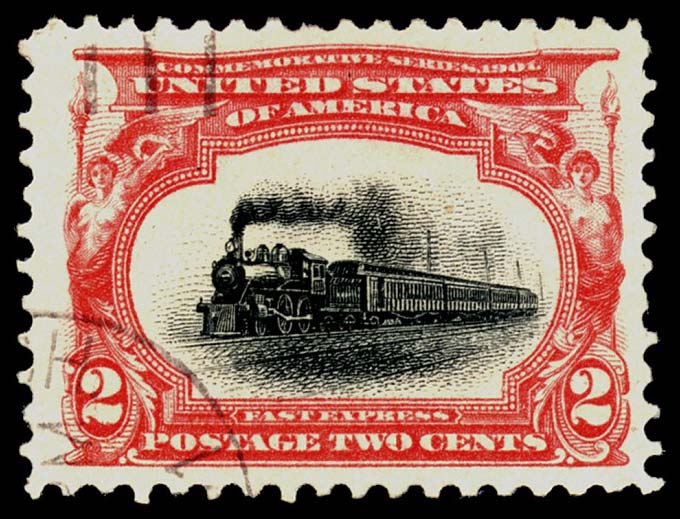
The Pan-American Issue stamps are highly collectible for several reasons that transcend their visual appeal and historical context. First, their limited period of issue—available only during the six months the Exposition was open—contributes to their desirability.
Second, their striking bi-color printing process is the source of the series' greatest claim to philatelic fame: the Pan-American Inverts. Because the stamps required two separate printing passes—one for the black vignette and one for the colored frame—the possibility of an error was introduced. A handful of sheets were printed with the central vignettes upside down, an error that occurred on the 1-cent, 2-cent, and 4-cent denominations. These inverts are among the most famous and valuable error stamps in U.S. philately. The dramatic rarity of the 2-cent invert, and the controversy surrounding the deliberate printing of the 4-cent invert by postal officials, give the entire series a unique, scandal-tinged backstory.
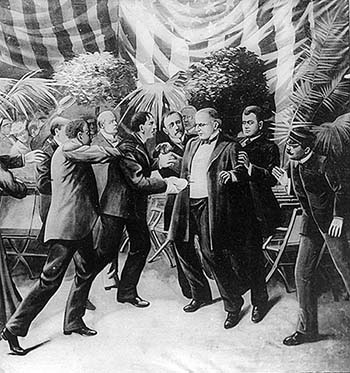 Finally, the stamps are historically significant as they are inextricably linked to a pivotal and tragic moment in American history: the assassination of President William McKinley. McKinley was shot while greeting the public at the Exposition's Temple of Music on September 6, 1901, and died eight days later. This event indelibly marked the fair and, by extension, the commemorative stamps issued in its honor, adding a somber layer of historical depth to what was intended as a celebration of progress.
In conclusion, the Pan-American Exposition Issue stamps are cherished by collectors not just as beautiful, early 20th-century philatelic art, but as miniature cultural artifacts. They serve as a vibrant record of American technological optimism, a tribute to an ambitious world’s fair, and a tangible link to a pivotal, tragic turning point in the nation's history, all while housing some of the most sought-after printing errors in the world of stamp collecting.
References
Smithsonian National Postal Museum: Pan-American Exposition Issues
Wikipedia: Pan-American Exposition
Wikipedia: Assassination of William McKinley
Notes From A Stamp Collector
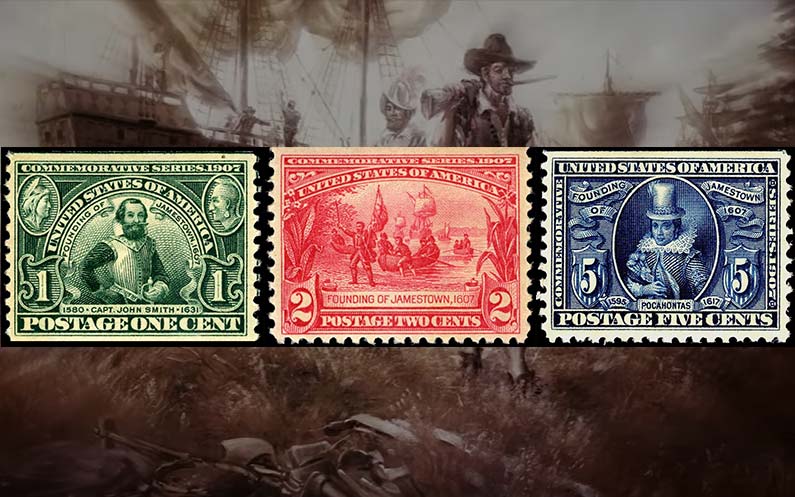
Jamestown Exposition Issue: Commemorative Stamps of 1907
The 1907 Jamestown Exposition Issue stands as one of the most culturally significant and visually striking commemorative stamp series of the early 20th century. Released by the United States Post...
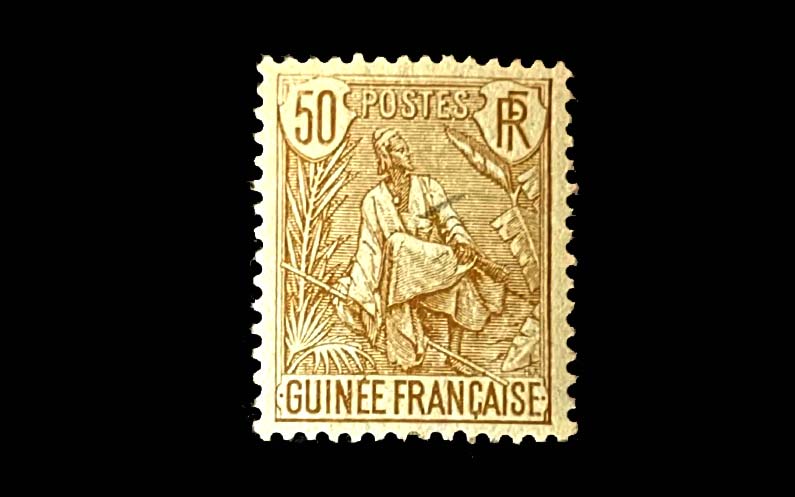
Iconic Country Stamps: French Guinea 1904 Fulah Shepherd
In the world of philately, French Guinea (now the Republic of Guinea) occupies a unique space within the "French West Africa" (AOF) collecting category. Unlike British Guiana, which has a single...
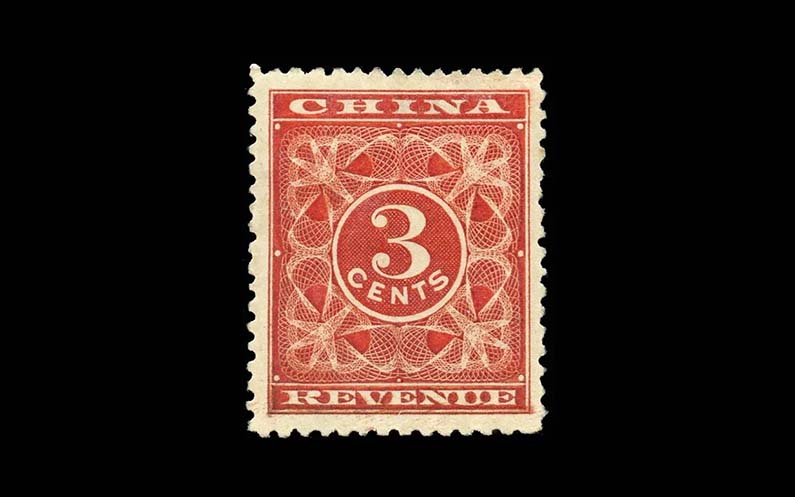
Iconic Country Stamps: China’s Famous Red Revenue Stamp (1897)
China has a few stamps that are considered incredibly famous and valuable, but one of the most consistently prized and historically significant is the Red Revenue stamp, particularly the "Small One...
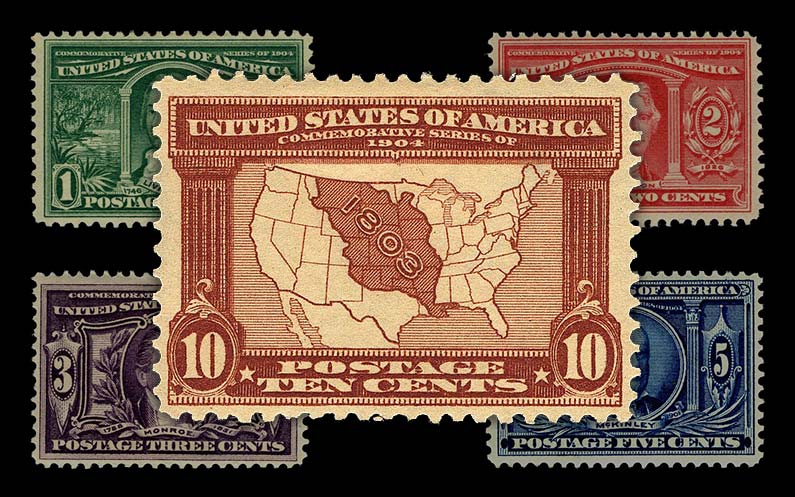
Louisiana Purchase Exposition: Commemorative Series of the 1904 World’s Fair
The 1904 Louisiana Purchase Exposition Issue represents a pivotal moment in American philatelic history. Issued to celebrate the centennial of the Louisiana Purchase and to publicize the St. Louis...
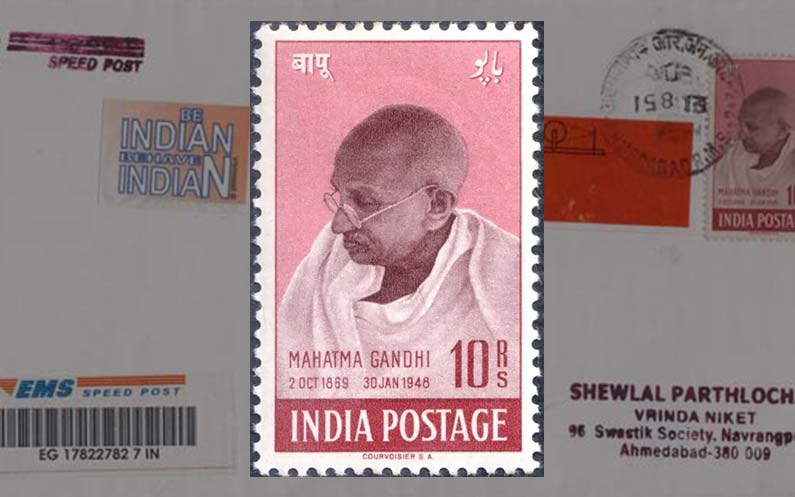
Iconic Country Stamps: India’s 10 Rupee Mahatma Gandhi
India's most famous and valuable postage stamp is undoubtedly the 10 Rupee Mahatma Gandhi stamp of 1948. This stamp, issued on the first anniversary of India's independence, holds a special place in...
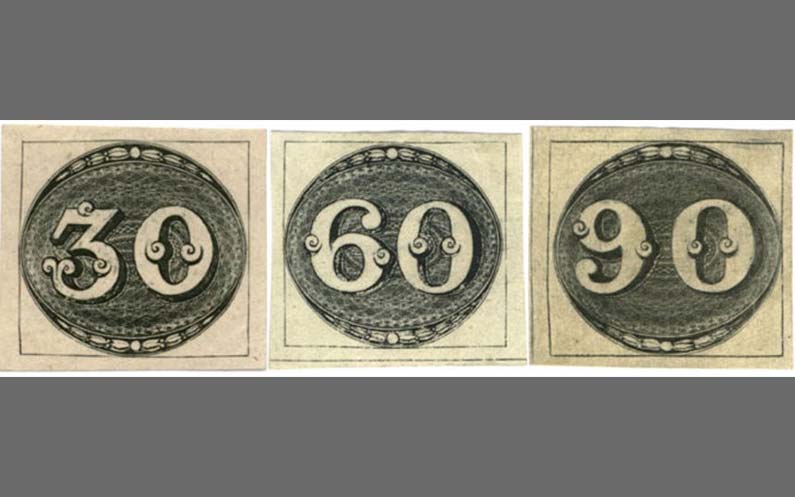
Iconic Country Stamps: Brazil’s Bull’s Eye
Brazil's philatelic history began in 1843 with the issuance of its first postage stamps, a distinctive set collectively known as the "Bull's Eye" stamps. These pioneering issues, predating many...
Subscribe
newsletter
(503) 440-4441