

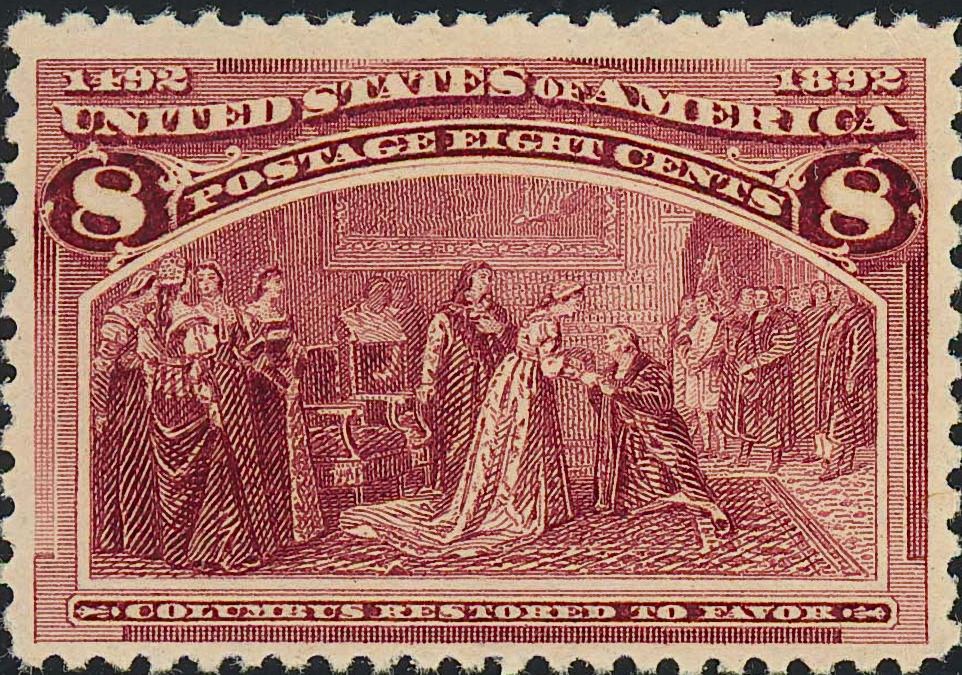
Columbus Restored to Favor - 8 cent
The United States’ first foray into commemorative postage stamps, the Columbian Exposition Issue of 1893, marked a significant departure from previous philatelic releases. Prior to this set, U.S. stamps primarily featured portraits of presidents and statesmen, serving a purely utilitarian purpose for mail delivery. The Columbian stamps, however, were specifically designed to celebrate a major national event: the 400th anniversary of Christopher Columbus’s arrival in the Americas, commemorated by the World’s Columbian Exposition in Chicago. This issue not only visually enhanced mail but also served as a miniature advertisement for the grand fair, inviting public participation and national pride.
The decision to issue these stamps was multifaceted. Primarily, it was a means to generate revenue for the financially ambitious Chicago exposition, as a portion of the stamp sales was intended to support the event. Beyond the monetary aspect, the stamps were a powerful tool for public relations and national identity. By depicting scenes from Columbus’s voyage and the “discovery” of the New World, they reinforced a particular narrative of American history and progress. The stamps also aimed to elevate the aesthetic quality of U.S. postage, showcasing intricate designs and a wider range of colors than previously seen, thereby attracting both collectors and the general public.
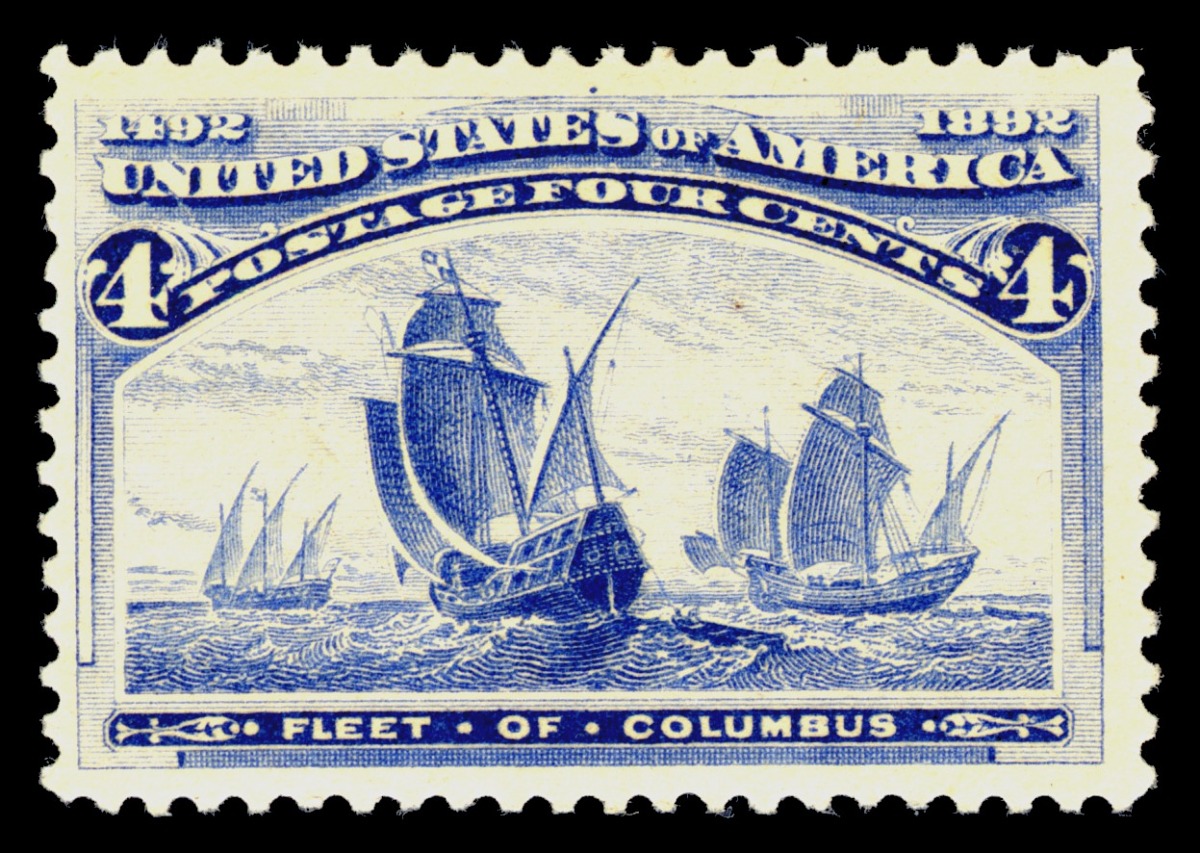
Fleet of Columbus - 4 cent
Today, the Columbian Exposition stamps remain highly collectible for several compelling reasons. Their historical significance as the first U.S. commemorative set immediately places them in a unique position within philatelic history. Furthermore, their artistic merit, with detailed engravings depicting pivotal moments, makes them visually appealing. The set’s limited production run, particularly for higher denominations, contributes to their scarcity and value. Condition plays a crucial role as well, with well-preserved examples commanding premium prices.
Beyond these factors, the Columbians are also collectible due to the intriguing stories associated with them. The controversy surrounding their initial reception, with some criticizing the high face values and the theme itself, adds to their allure. Many collectors seek to complete the entire set of sixteen denominations, presenting a challenging and rewarding pursuit. Ultimately, the Columbian Exposition stamps stand as a testament to a pivotal moment in American history and philately, embodying a confluence of art, commerce, and national commemoration that continues to captivate collectors worldwide.
Notes From A Stamp Collector
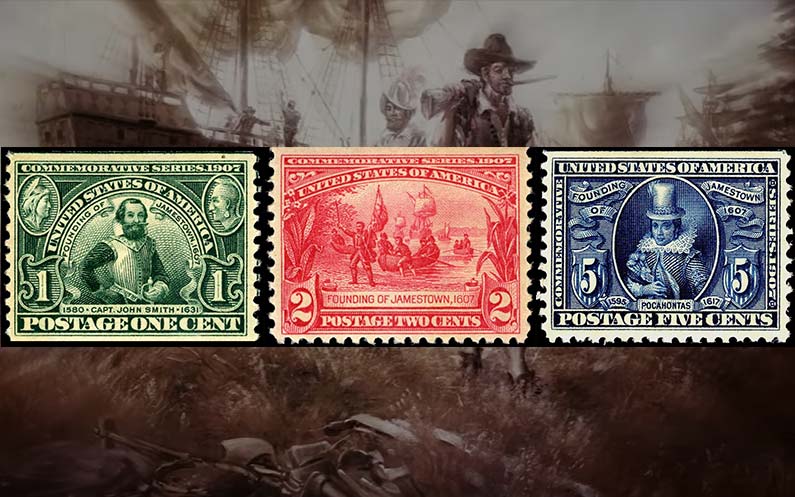
Jamestown Exposition Issue: Commemorative Stamps of 1907
The 1907 Jamestown Exposition Issue stands as one of the most culturally significant and visually striking commemorative stamp series of the early 20th century. Released by the United States Post...
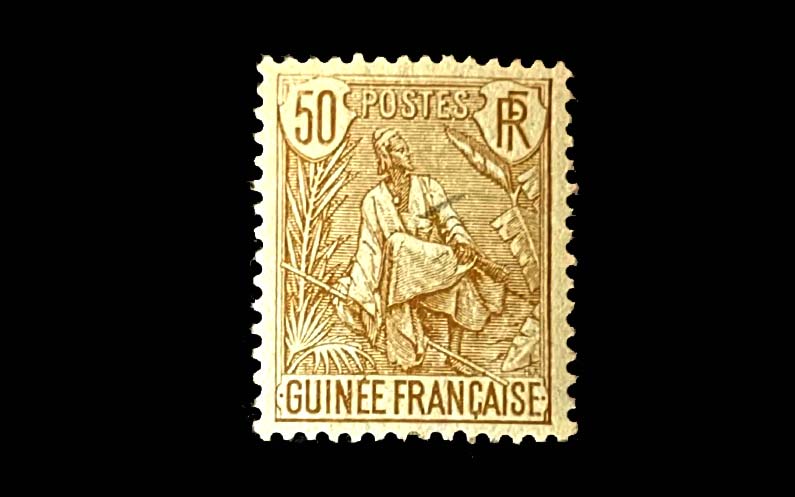
Iconic Country Stamps: French Guinea 1904 Fulah Shepherd
In the world of philately, French Guinea (now the Republic of Guinea) occupies a unique space within the "French West Africa" (AOF) collecting category. Unlike British Guiana, which has a single...
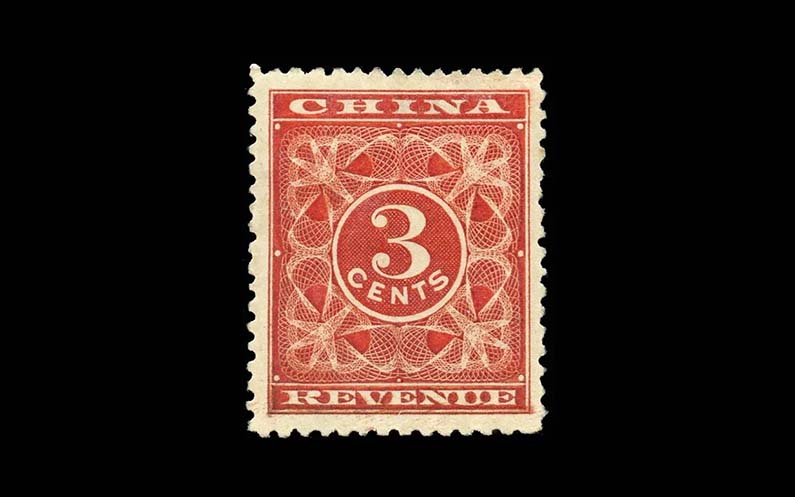
Iconic Country Stamps: China’s Famous Red Revenue Stamp (1897)
China has a few stamps that are considered incredibly famous and valuable, but one of the most consistently prized and historically significant is the Red Revenue stamp, particularly the "Small One...
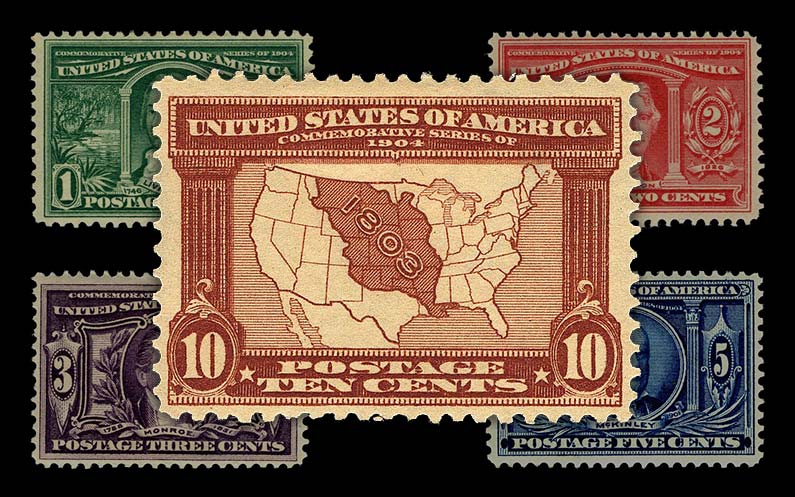
Louisiana Purchase Exposition: Commemorative Series of the 1904 World’s Fair
The 1904 Louisiana Purchase Exposition Issue represents a pivotal moment in American philatelic history. Issued to celebrate the centennial of the Louisiana Purchase and to publicize the St. Louis...
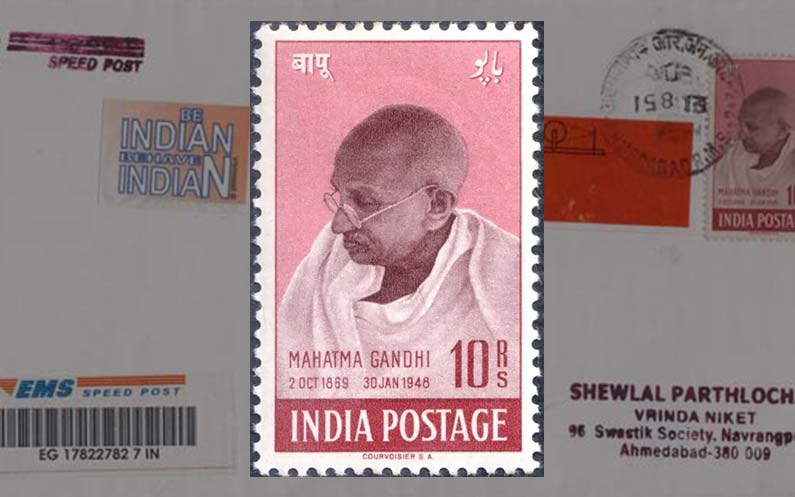
Iconic Country Stamps: India’s 10 Rupee Mahatma Gandhi
India's most famous and valuable postage stamp is undoubtedly the 10 Rupee Mahatma Gandhi stamp of 1948. This stamp, issued on the first anniversary of India's independence, holds a special place in...
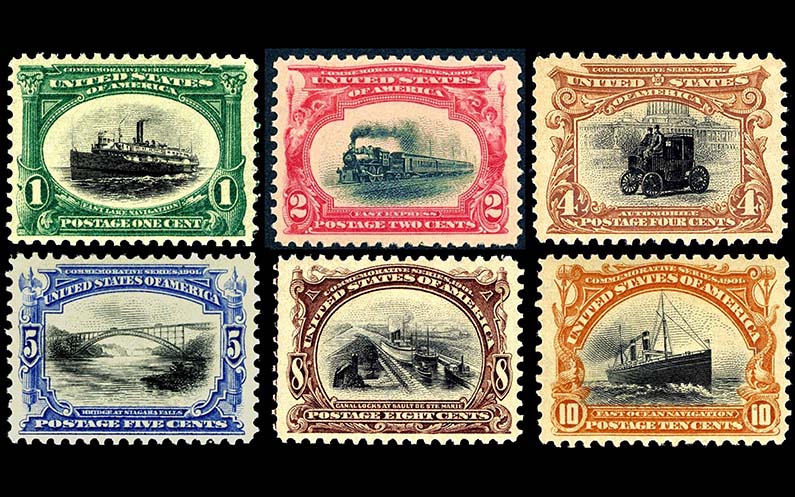
The Pan-American Exposition Issue: A Commemorative of Progress and Tragedy
The Pan-American Exposition Issue is one of the most distinctive and historically significant series of United States commemorative postage stamps. Released in conjunction with the 1901 Pan-American...
Subscribe
newsletter
(503) 440-4441