
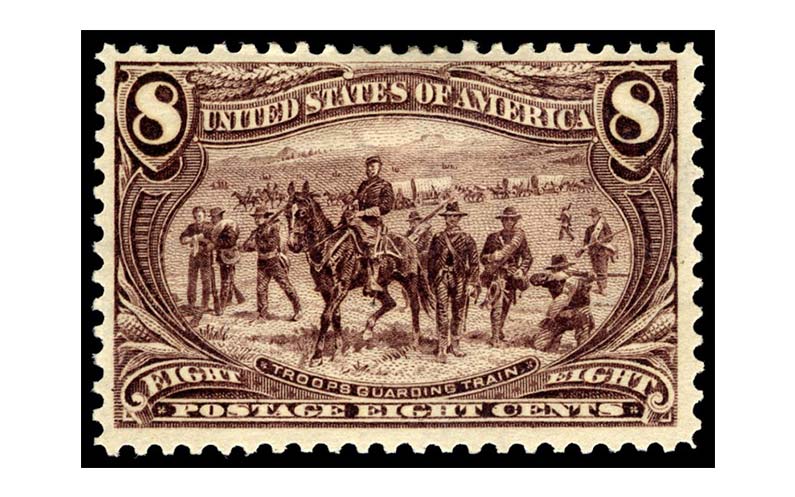
The Trans-Mississippi Issue of 1898 stands as the second set of commemorative stamps released by the United States Post Office... a vibrant and ambitious follow-up to the Columbian Exposition issue of 1893. These stamps, comprising nine denominations ranging from one cent to one dollar, were specifically issued to coincide with the Trans-Mississippi and International Exposition (world's fair) held in Omaha, Nebraska, that year. The exposition aimed to highlight the agricultural, mineral, and industrial advancements of the states and territories west of the Mississippi River, a region that was rapidly developing and asserting its importance on the national stage. The stamps visually reinforced this theme, depicting iconic scenes and achievements of the American West, from farming and irrigation to mining and the burgeoning railway system, serving as miniature advertisements for the exposition and the spirit of western expansion.
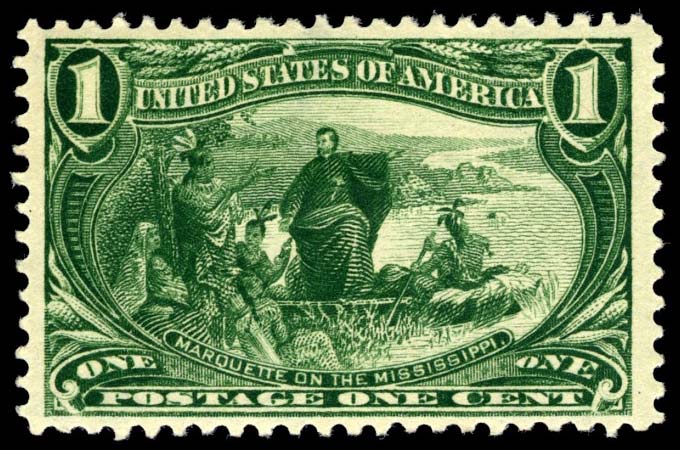 The decision to issue a second set of commemoratives, especially after the immense success and popularity of the Columbian set, was a strategic one. The Post Office recognized the dual benefit of such issues: generating revenue through sales to collectors and promoting significant national events. The Trans-Mississippi Exposition provided an ideal opportunity, allowing the government to celebrate the progress and prosperity of a vital region while simultaneously engaging the public with artistically compelling and historically significant postage. Unlike the Columbian stamps, which largely depicted historical scenes of discovery, the Trans-Mississippi set focused on contemporary progress and the ongoing development of a dynamic frontier, offering a distinct thematic appeal that resonated with a nation looking forward.
Today, the Trans-Mississippi Issue remains highly collectible for several compelling reasons. Their historical significance as the second U.S. commemorative set, following the trailblazing Columbians, imbues them with inherent value. Furthermore, the striking and diverse designs, depicting vivid scenes of American westward expansion, are aesthetically pleasing and tell a powerful visual story. The lower denominations, particularly the 1-cent "Marquette on the Mississippi" and 2-cent "Farming in the West," were widely used for postage, making well-preserved mint examples scarce but used versions easy to come by. The higher denominations, especially the dollar values, were issued in much smaller quantities and thus are considerably rarer, contributing to their desirability among serious philatelists.
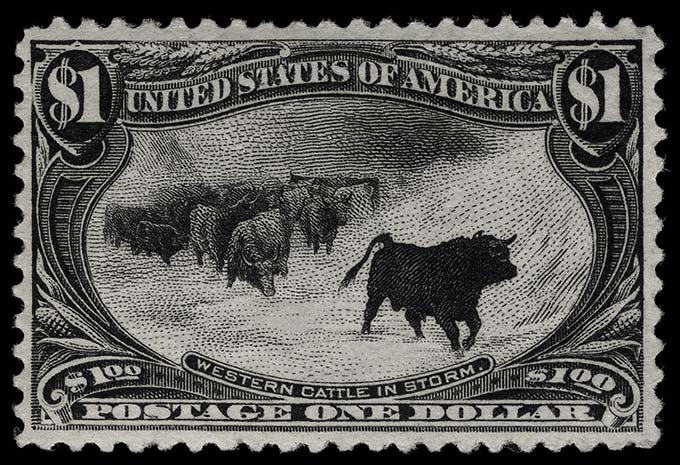 Beyond their beauty and historical context, the Trans-Mississippi stamps are also prized for their relative scarcity compared to many later issues. The limited printing quantities, particularly for the higher values, and the passage of over a century have contributed to fewer examples surviving in prime condition. Collectors are drawn to the challenge of completing a set and the prestige associated with owning these iconic representations of American history and postal art. The combination of historical importance, artistic merit, thematic relevance, and relative rarity ensures that the Trans-Mississippi Issue will continue to be a cornerstone of many significant United States stamp collections for generations to come.
References:
Smithsonian National Postal Museum - Trans-Mississippi Exposition Issue
Notes From A Stamp Collector
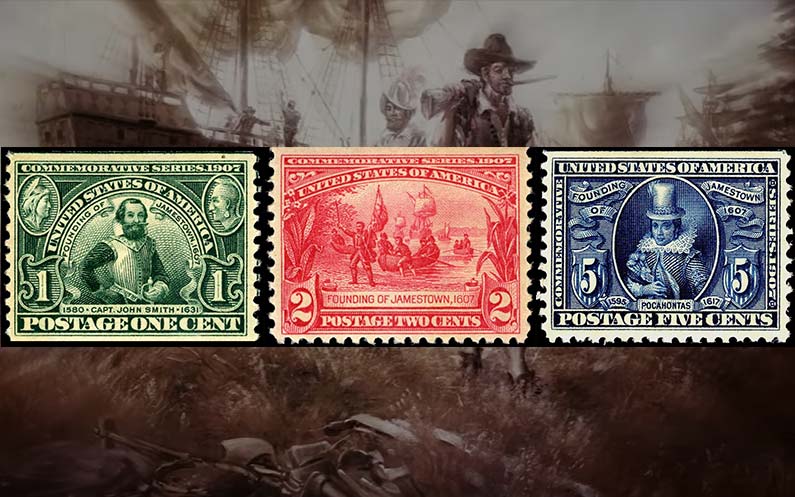
Jamestown Exposition Issue: Commemorative Stamps of 1907
The 1907 Jamestown Exposition Issue stands as one of the most culturally significant and visually striking commemorative stamp series of the early 20th century. Released by the United States Post...
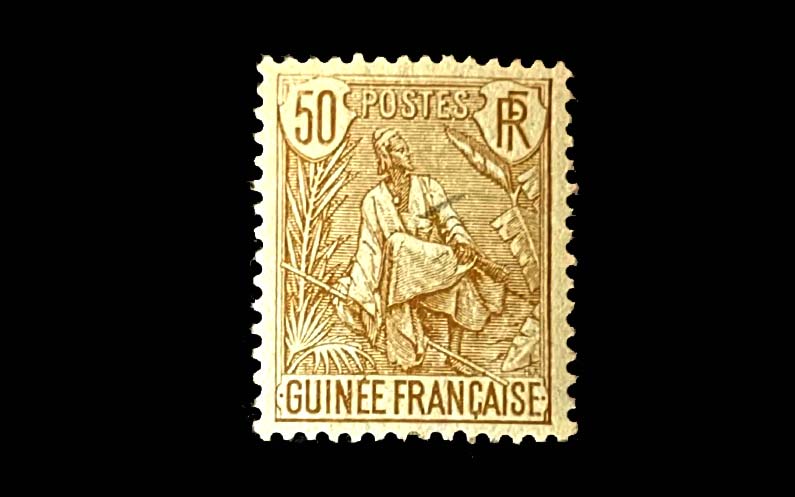
Iconic Country Stamps: French Guinea 1904 Fulah Shepherd
In the world of philately, French Guinea (now the Republic of Guinea) occupies a unique space within the "French West Africa" (AOF) collecting category. Unlike British Guiana, which has a single...
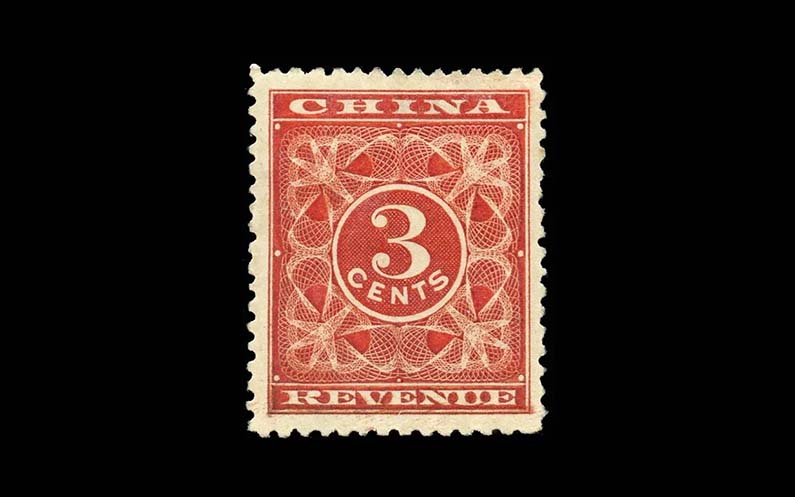
Iconic Country Stamps: China’s Famous Red Revenue Stamp (1897)
China has a few stamps that are considered incredibly famous and valuable, but one of the most consistently prized and historically significant is the Red Revenue stamp, particularly the "Small One...
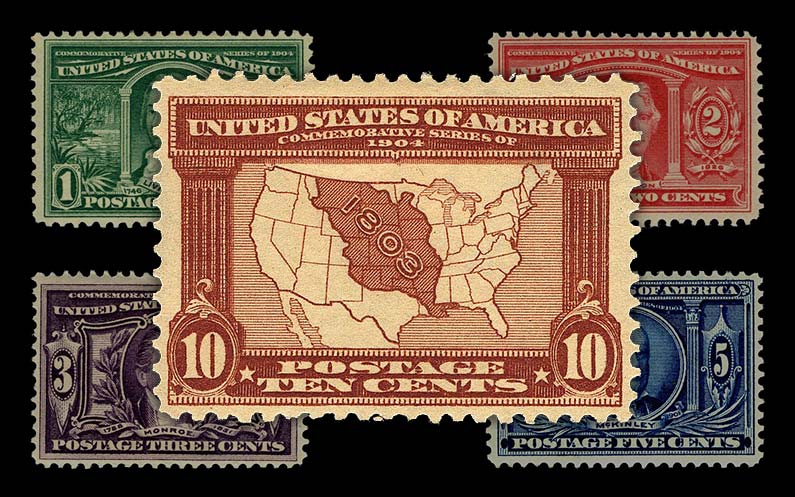
Louisiana Purchase Exposition: Commemorative Series of the 1904 World’s Fair
The 1904 Louisiana Purchase Exposition Issue represents a pivotal moment in American philatelic history. Issued to celebrate the centennial of the Louisiana Purchase and to publicize the St. Louis...
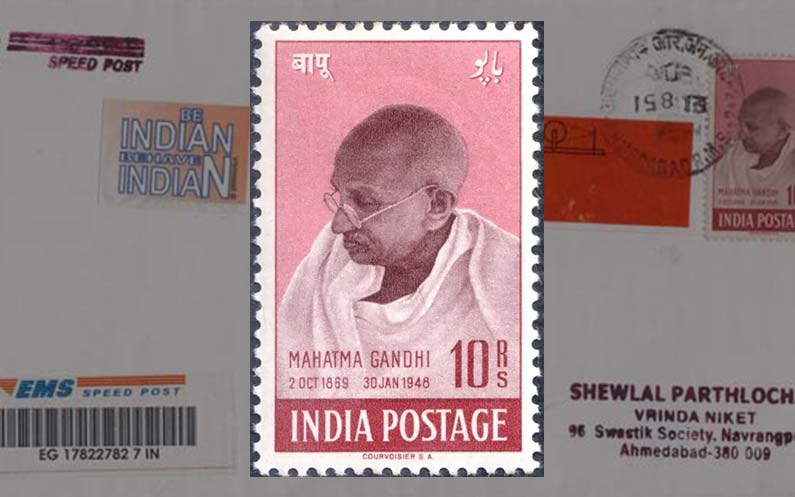
Iconic Country Stamps: India’s 10 Rupee Mahatma Gandhi
India's most famous and valuable postage stamp is undoubtedly the 10 Rupee Mahatma Gandhi stamp of 1948. This stamp, issued on the first anniversary of India's independence, holds a special place in...
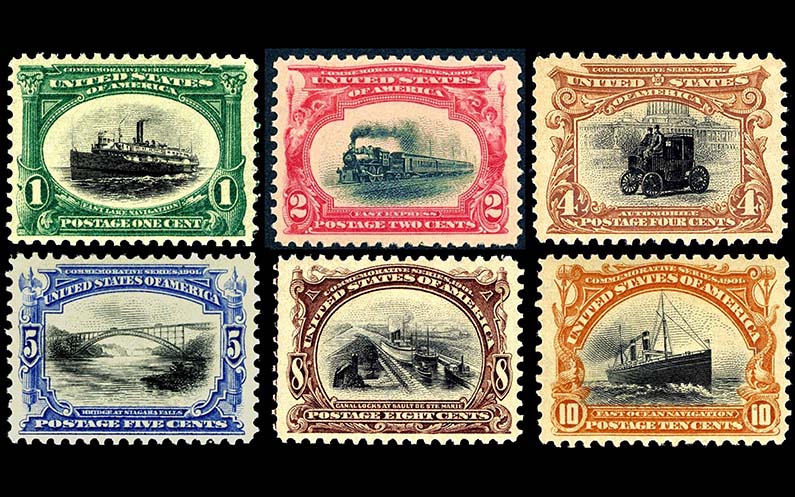
The Pan-American Exposition Issue: A Commemorative of Progress and Tragedy
The Pan-American Exposition Issue is one of the most distinctive and historically significant series of United States commemorative postage stamps. Released in conjunction with the 1901 Pan-American...
Subscribe
newsletter
(503) 440-4441