
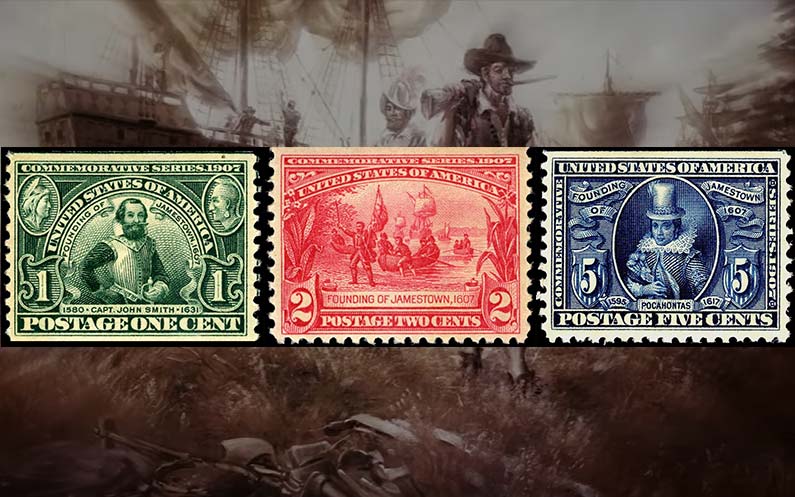
The 1907 Jamestown Exposition Issue stands as one of the most culturally significant and visually striking commemorative stamp series of the early 20th century. Released by the United States Post Office Department and printed by the Bureau of Engraving and Printing (BEP), this three-stamp set was created to honor the 300th anniversary of the first permanent English settlement in the New World. Highly valued today for its historical milestones and philatelic beauty, the issue captures a pivotal era when America began using its postal system to celebrate its foundational history on a grand scale.
Why the Stamps Were Issued
The primary catalyst for the issuance of these stamps was the Jamestown Ter-Centennial Exposition, a World’s Fair held at Sewell’s Point in Norfolk, Virginia, from April 26 to December 1, 1907.
The postal series served two core functions:
- Historical Commemoration: To mark exactly three centuries since Captain John Smith and his fellow settlers arrived in Virginia in May 1607, establishing a foothold that would shape the future United States.
- Exposition Marketing: To promote the fair domestically and internationally, inviting the world to witness America’s technological and naval progress.
The production of the set was fraught with bureaucratic shifts. The Post Office originally planned a massive 10-stamp series showcasing various historical colonial figures. Budget constraints and logistical delays eventually forced authorities to scale the project down to just two stamps: the 1¢ and 2¢ denominations.
The Petition for Pocahontas: The original two-stamp plan entirely omitted Pocahontas. Infuriated by the exclusion of the famous Powhatan princess, historical societies fiercely petitioned the government. Postal authorities relented, adding a 5¢ denomination to the set. This addition proved highly practical, as the five-cent rate covered international outbound letters, allowing foreign visitors at the exposition to mail letters home using a complete commemorative series.
Denominations and Designs
The Jamestown Issue consists of three deeply detailed, flat-plate engraved stamps. Each design emphasizes a crucial aspect of the original Virginia colony.
| Denomination | Color | Primary Design | Historical Significance |
| 1¢ | Green | Captain John Smith | The military leader and explorer who saved the struggling colony from starvation. His portrait is flanked by a soldier and an explorer. |
| 2¢ | Carmine | The Founding of Jamestown | The “workhorse” stamp of the series, depicting the arrival of the fleet (Susan Constant, Godspeed, and Discovery) at Jamestown Island. |
| 5¢ | Blue | Pocahontas | The Powhatan chief’s daughter who served as an intermediary between the Native Americans and English colonists. |
Why They Are Collectible
The Jamestown Exposition Issue is heavily pursued by philatelists worldwide, remaining a crown jewel of early 20th-century collections due to several distinct factors:
- A Groundbreaking Philatelic First: The 5¢ denomination holds immense historical value as the first U.S. postage stamp to individually feature a Native American, as well as the first to feature a Native American woman.
- Dramatic Production Scarcity: While the 2¢ carmine stamp had a massive printing of nearly 149.5 million copies to satisfy domestic mail needs, the 5¢ Pocahontas stamp had a strictly limited run of just 7,980,594 copies. Because of this low number, the 5¢ stamp serves as the “key” to completing the set and commands a significant price premium.
- The Centering Nightmare: Stamps from this era were issued with standard Perforation 12. Because the margins on the sheets were incredibly narrow, the perforations frequently sliced directly into the outer frame lines of the design. Finding a 1907 Jamestown stamp with perfect, mathematically balanced margins (“Very Fine” or “Superb” grading) is exceptionally difficult and represents a major triumph for condition-conscious collectors.
- A Strict Window of Availability: These commemoratives were only sold from late April until the exposition closed on December 1, 1907. Once sales concluded, all remaining unsold stock was recalled and destroyed by the government, ensuring that the surviving supply remained permanently capped.
Through intricate line engraving and a turbulent design history, the Jamestown Exposition Issue successfully transformed miniature pieces of paper into lasting historical monuments. For modern collectors, the set offers an alluring intersection of beautiful artistry, scarcity, and a profound connection to the dawn of American history.
Notes From A Stamp Collector
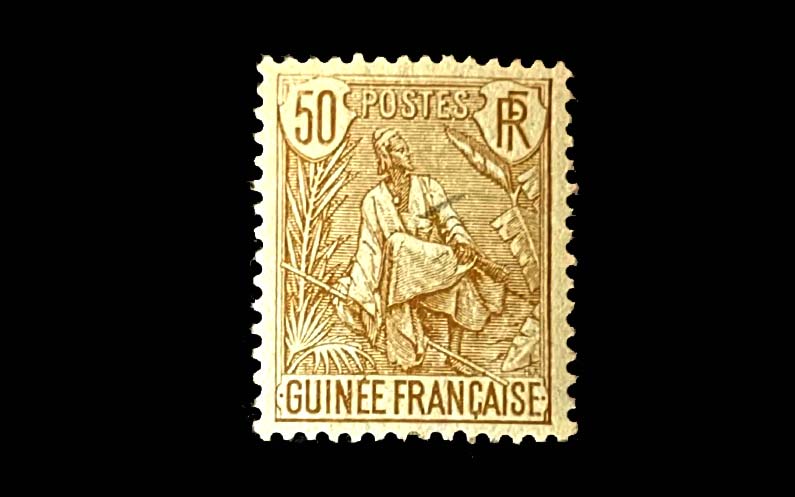
Iconic Country Stamps: French Guinea 1904 Fulah Shepherd
In the world of philately, French Guinea (now the Republic of Guinea) occupies a unique space within the “French West Africa” (AOF) collecting category. Unlike British Guiana, which has a single…
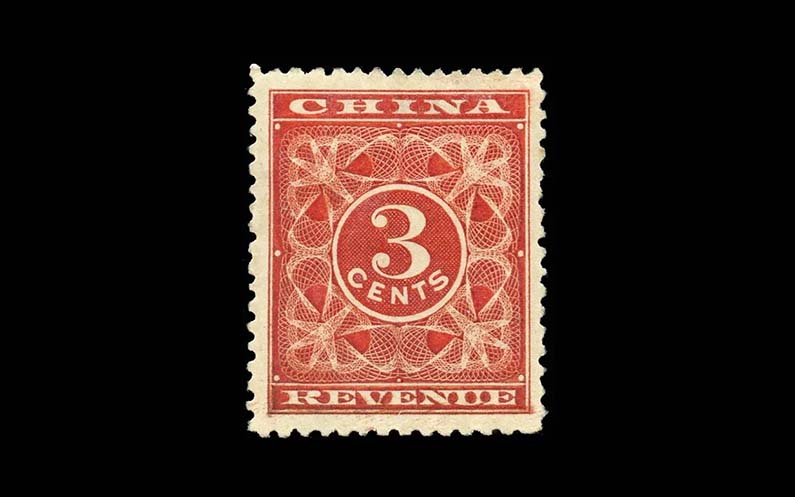
Iconic Country Stamps: China’s Famous Red Revenue Stamp (1897)
China has a few stamps that are considered incredibly famous and valuable, but one of the most consistently prized and historically significant is the Red Revenue stamp, particularly the “Small One…
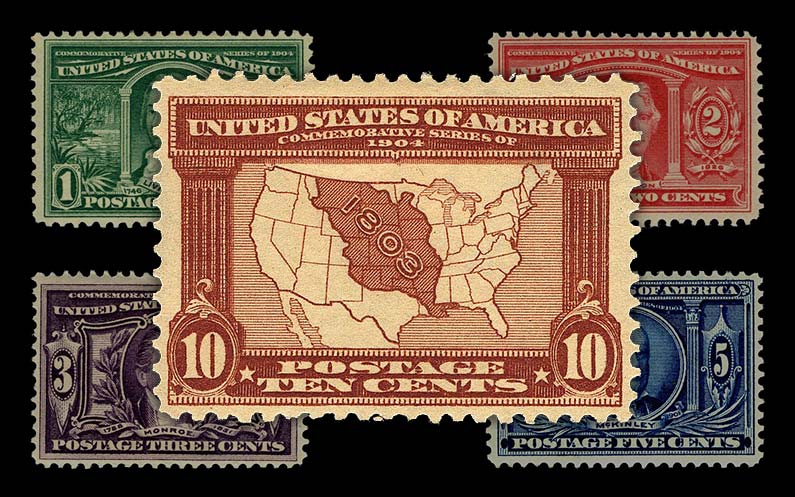
Louisiana Purchase Exposition: Commemorative Series of the 1904 World’s Fair
The 1904 Louisiana Purchase Exposition Issue represents a pivotal moment in American philatelic history. Issued to celebrate the centennial of the Louisiana Purchase and to publicize the St. Louis…
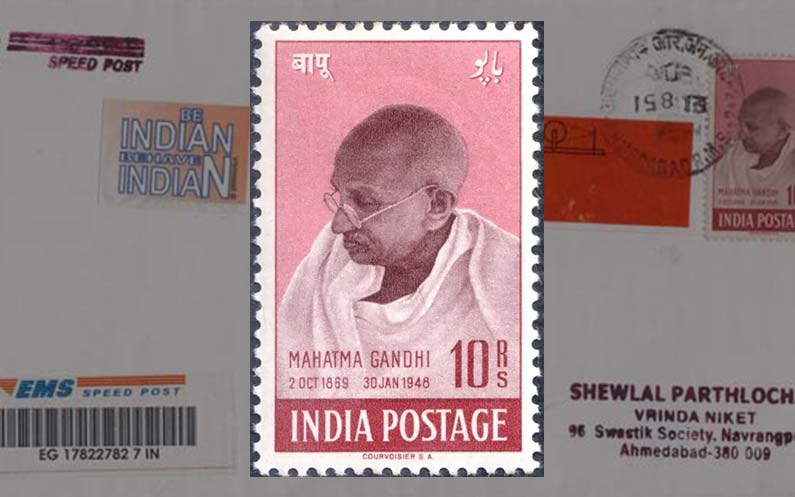
Iconic Country Stamps: India’s 10 Rupee Mahatma Gandhi
India’s most famous and valuable postage stamp is undoubtedly the 10 Rupee Mahatma Gandhi stamp of 1948. This stamp, issued on the first anniversary of India’s independence, holds a special place in…
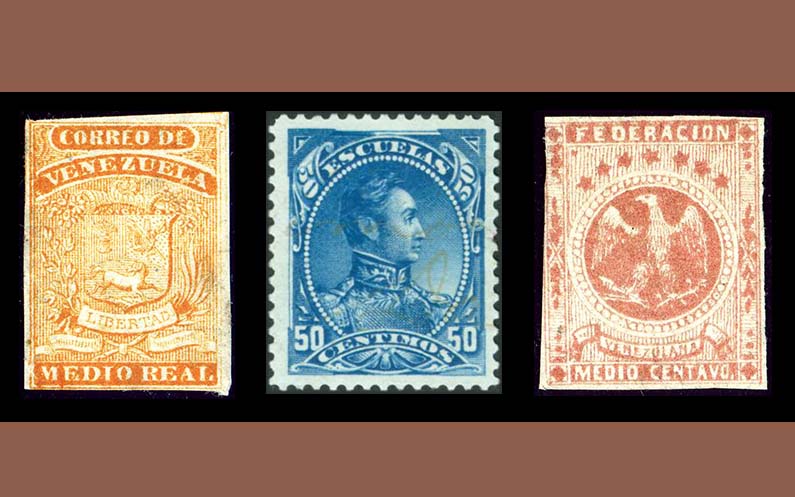
Venezuela’s Most Famous Postage Stamp
Venezuela’s most famous and sought-after postage stamp is arguably the 1863-1864 “Escuelas” Issue (sometimes referred to by its overprint varieties), particularly the scarce errors and high-value…
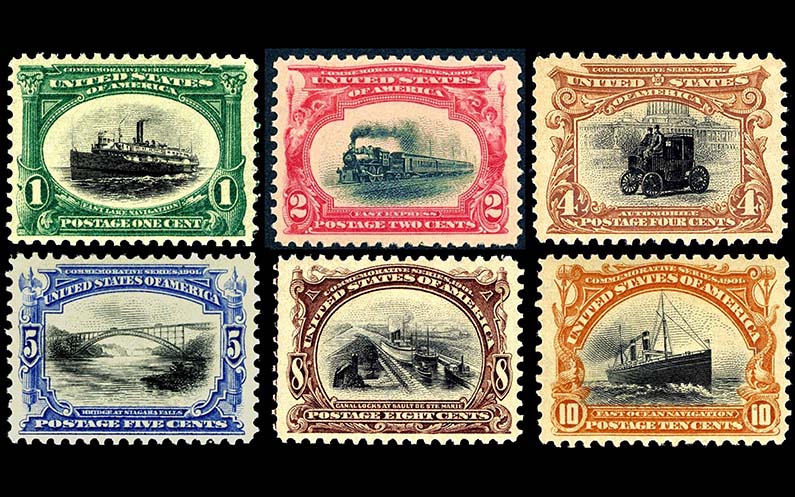
The Pan-American Exposition Issue: A Commemorative of Progress and Tragedy
The Pan-American Exposition Issue is one of the most distinctive and historically significant series of United States commemorative postage stamps. Released in conjunction with the 1901 Pan-American…
Subscribe
newsletter
(503) 440-4441