
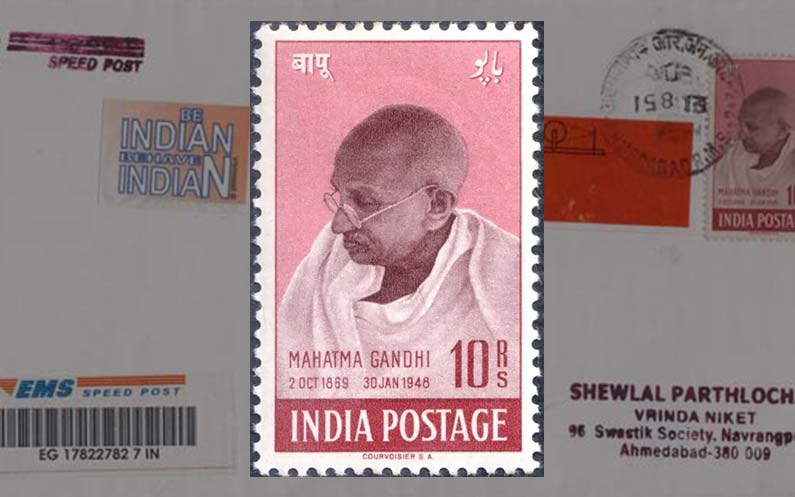
India’s most famous and valuable postage stamp is undoubtedly the 10 Rupee Mahatma Gandhi stamp of 1948.
This stamp, issued on the first anniversary of India’s independence, holds a special place in philatelic history for several reasons:
- Commemorative Significance: It was the first time an Indian personality, Mahatma Gandhi, was depicted on a postage stamp of independent India.
- Rarity: While 250,000 normal stamps were printed, a special “Service” overprinted version was produced for the use of the Governor-General of India. Only 100 of these were made, and only a handful are known to be in private collections, making them incredibly rare.
- High Value: Due to its rarity, the “Service” overprinted version has fetched record-breaking prices at auctions, solidifying its status as one of the most expensive and sought-after Indian stamps in the world.
Mahatma Gandhi was featured on the 1948 Indian postage stamps to honor him as the Father of the Nation on the first anniversary of India’s independence. Initially, the plan was to release a set of stamps for his 80th birthday in 1949. However, his assassination in January 1948 prompted the government to issue the stamps as a memorial instead.
The 1948 Gandhi stamps hold special significance:
- First Indian on a Stamp: It was the first time an Indian person was depicted on a postage stamp of independent India, a major symbolic step for the newly formed nation.
- Commemorating Independence: The stamps were released on August 15, 1948, marking the one-year anniversary of India’s freedom from British rule.
- Symbol of Harmony: Prime Minister Jawaharlal Nehru requested that the word “Bapu” (a term of endearment for Gandhi, meaning “father”) be included on the stamps in both Hindi and Urdu, symbolizing Gandhi’s lifelong struggle for peace and communal harmony.
Notes From A Stamp Collector
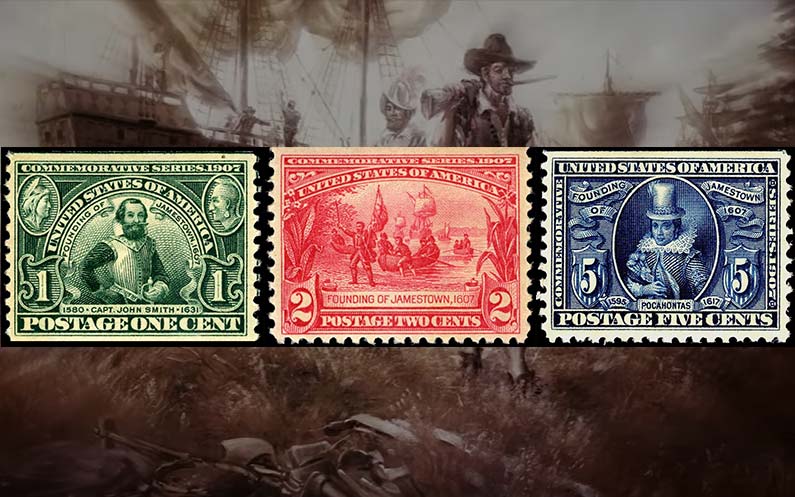
Jamestown Exposition Issue: Commemorative Stamps of 1907
The 1907 Jamestown Exposition Issue stands as one of the most culturally significant and visually striking commemorative stamp series of the early 20th century. Released by the United States Post…

Iconic Country Stamps: French Guinea 1904 Fulah Shepherd
In the world of philately, French Guinea (now the Republic of Guinea) occupies a unique space within the “French West Africa” (AOF) collecting category. Unlike British Guiana, which has a single…
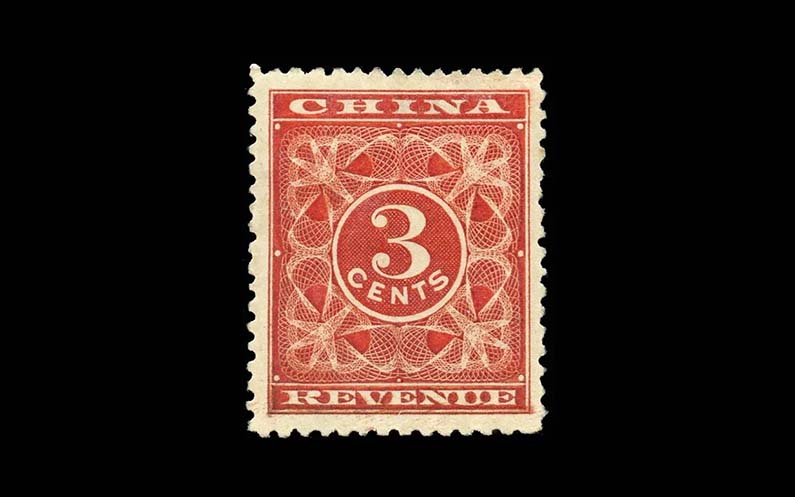
Iconic Country Stamps: China’s Famous Red Revenue Stamp (1897)
China has a few stamps that are considered incredibly famous and valuable, but one of the most consistently prized and historically significant is the Red Revenue stamp, particularly the “Small One…
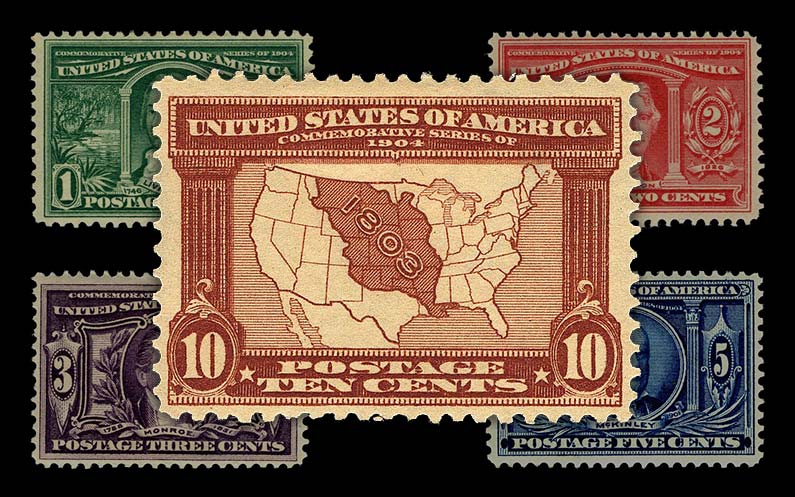
Louisiana Purchase Exposition: Commemorative Series of the 1904 World’s Fair
The 1904 Louisiana Purchase Exposition Issue represents a pivotal moment in American philatelic history. Issued to celebrate the centennial of the Louisiana Purchase and to publicize the St. Louis…
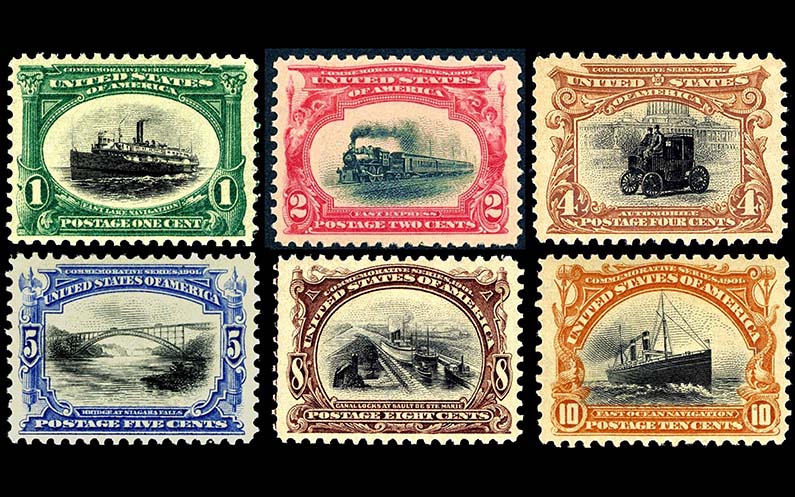
The Pan-American Exposition Issue: A Commemorative of Progress and Tragedy
The Pan-American Exposition Issue is one of the most distinctive and historically significant series of United States commemorative postage stamps. Released in conjunction with the 1901 Pan-American…
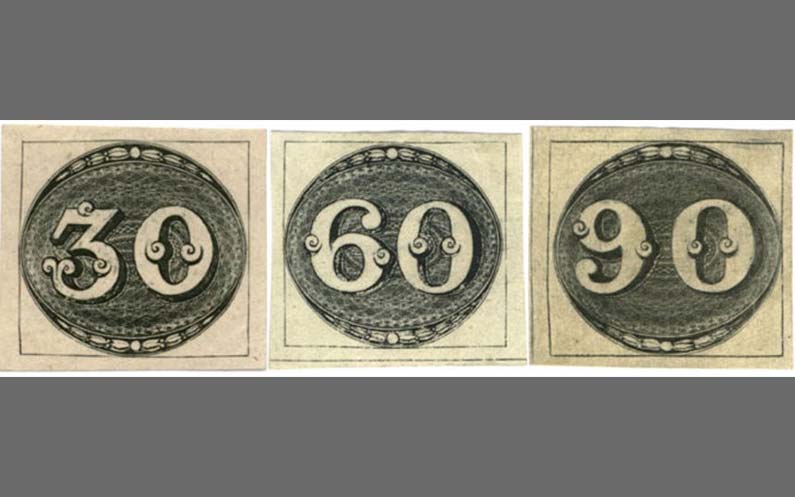
Iconic Country Stamps: Brazil’s Bull’s Eye
Brazil’s philatelic history began in 1843 with the issuance of its first postage stamps, a distinctive set collectively known as the “Bull’s Eye” stamps. These pioneering issues, predating many…
Subscribe
newsletter
(503) 440-4441