
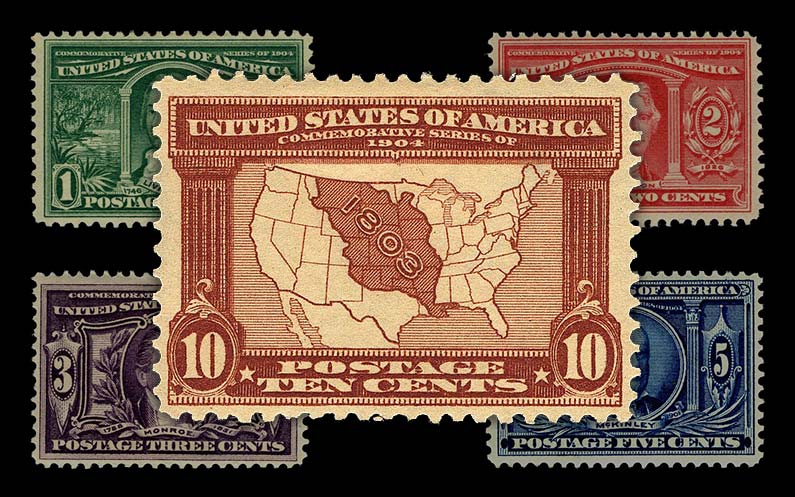
The 1904 Louisiana Purchase Exposition Issue represents a pivotal moment in American philatelic history. Issued to celebrate the centennial of the Louisiana Purchase and to publicize the St. Louis World’s Fair, this five-stamp set is prized by collectors for its historical depth and the high-quality engraving typical of the early 20th century.
The Purpose of the Issue
The primary reason for the issuance of these stamps was commemorative and promotional. While the centennial of the 1803 Louisiana Purchase technically occurred in 1903, the St. Louis World’s Fair was delayed until 1904 to allow more time for the construction of its massive “palaces” and international exhibits.
The Post Office Department released the series on April 30, 1904, the opening day of the fair, in order to:
- Honor the Centennial: Celebrate the acquisition of the Louisiana Territory, which doubled the size of the United States.
- Publicize the Fair:Market the “Louisiana Purchase Exposition” to a global audience.
- Memorialize Leadership: Acknowledge the key figures who negotiated the deal and the modern leaders who made the 1904 exposition possible.
Denominations and Designs
The set consists of five denominations, each featuring a portrait or image central to the history of the territory.
| Denomination | Color | Primary Design | Historical Significance |
| 1¢ | Green | Robert R. Livingston | The U.S. Minister to France who conducted the purchase negotiations. |
| 2¢ | Carmine | Thomas Jefferson | The President who authorized the purchase and oversaw the expansion. |
| 3¢ | Violet | James Monroe | Sent to Paris to assist Livingston; he later became the 5th U.S. President. |
| 5¢ | Blue | William McKinley | He signed the act of Congress authorizing the 1904 Fair; he was assassinated in 1901. |
| 10¢ | Red-Brown | Map of the Purchase | The first map ever featured on a U.S. stamp, showing the territory superimposed over the U.S. |
Note on the 5¢ McKinley: His inclusion was somewhat bittersweet. While he had no role in 1803, he was the sitting President when the fair was officially sanctioned. Following his 1901 assassination, his portrait served as a tribute to his role in the fair’s inception.
Why They Are Collectible
Collectors view the Louisiana Purchase Exposition Issue as a “must-have” for several reasons:
- Historical Gravity: The stamps tell a complete story of American expansion, from the negotiators (Livingston and Monroe) to the visionary (Jefferson) and the resulting geography (the 10¢ Map).
- Short Duration of Use: These stamps were only on sale for the duration of the fair (April 30 to December 1, 1904). Because they were “commemoratives,” they were not reprinted once the initial stock ran out, leading to a finite supply.
- Condition Challenges: Like many stamps of this era, the Louisiana Purchase issue is notorious for poor centering. Finding examples where the design is perfectly balanced within the perforated margins is difficult, and such “Gem” copies command significant price premiums.
- The “First Map” Factor: The 10¢ denomination holds a special place in “Topical” collecting as the very first U.S. postal issue to use a map as its central design.
- Aesthetic Appeal: These were produced during the “Golden Age” of line engraving. The intricate scrollwork and lifelike portraits represent the pinnacle of the Bureau of Engraving and Printing’s craftsmanship.
The Louisiana Purchase Exposition Issue remains a favorite because it captures the optimism of early 20th-century America—a time when the country was eager to showcase its growth and technological prowess to the rest of the world.
Notes From A Stamp Collector
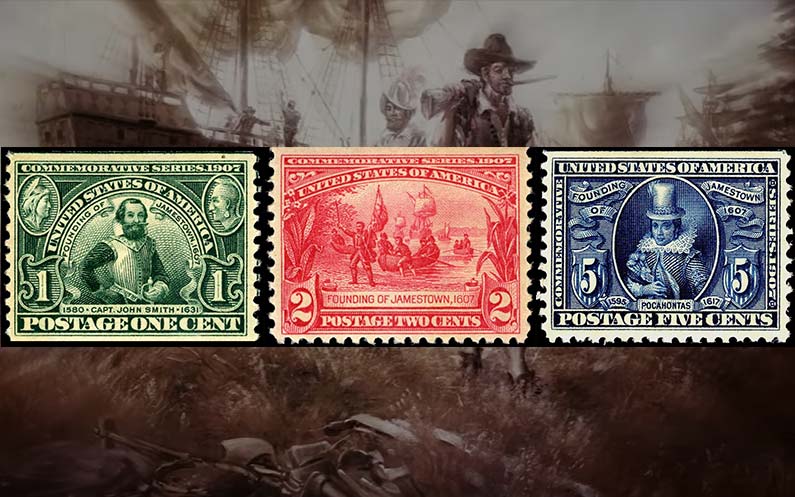
Jamestown Exposition Issue: Commemorative Stamps of 1907
The 1907 Jamestown Exposition Issue stands as one of the most culturally significant and visually striking commemorative stamp series of the early 20th century. Released by the United States Post…
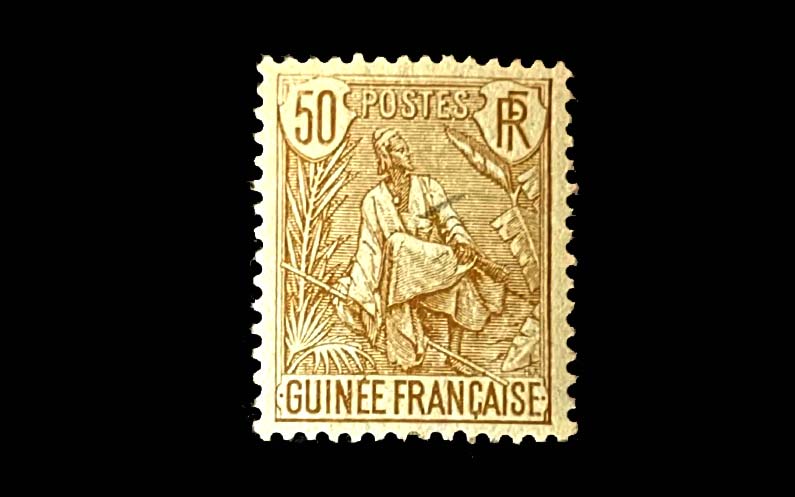
Iconic Country Stamps: French Guinea 1904 Fulah Shepherd
In the world of philately, French Guinea (now the Republic of Guinea) occupies a unique space within the “French West Africa” (AOF) collecting category. Unlike British Guiana, which has a single…
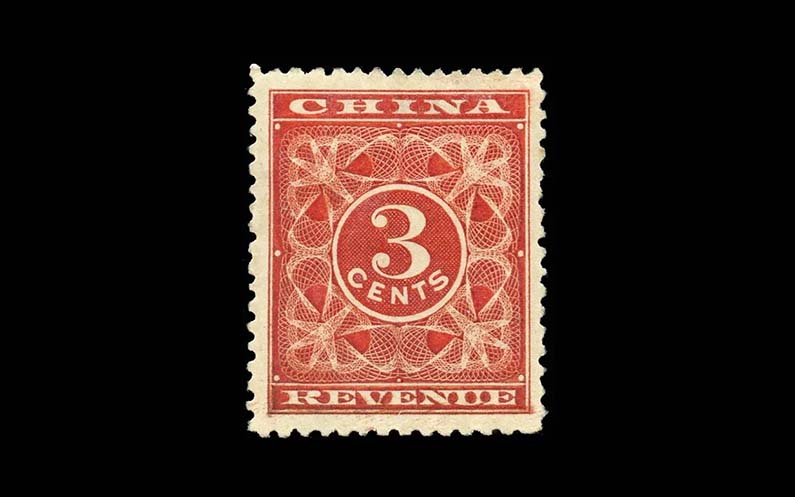
Iconic Country Stamps: China’s Famous Red Revenue Stamp (1897)
China has a few stamps that are considered incredibly famous and valuable, but one of the most consistently prized and historically significant is the Red Revenue stamp, particularly the “Small One…
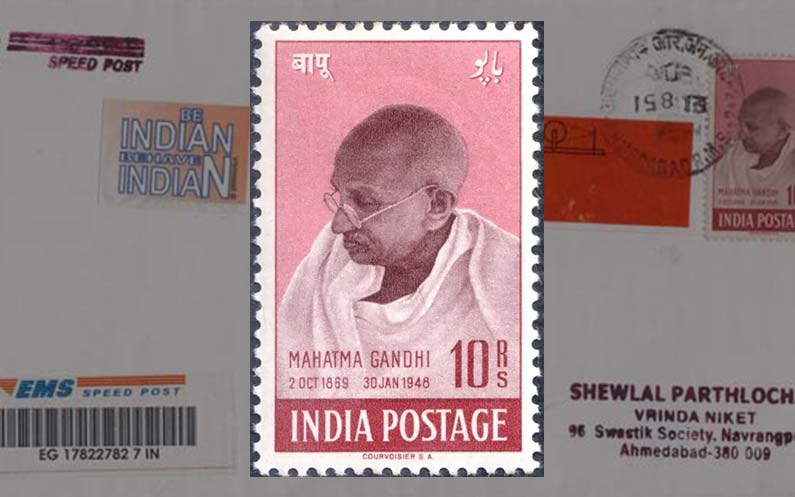
Iconic Country Stamps: India’s 10 Rupee Mahatma Gandhi
India’s most famous and valuable postage stamp is undoubtedly the 10 Rupee Mahatma Gandhi stamp of 1948. This stamp, issued on the first anniversary of India’s independence, holds a special place in…
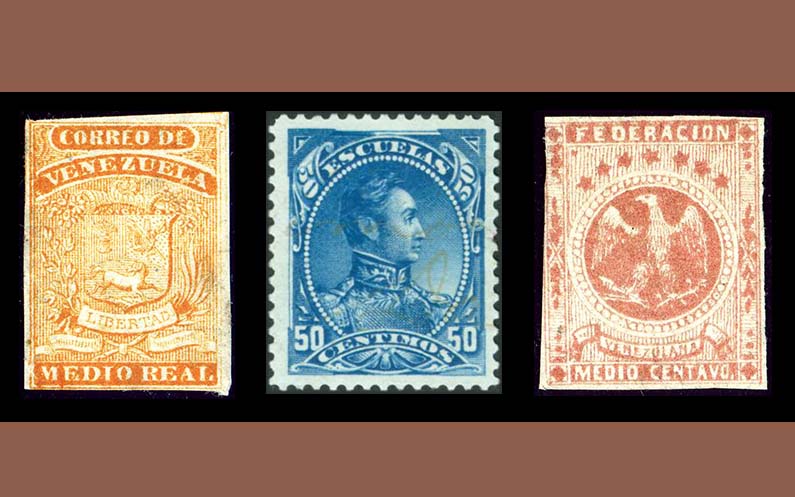
Venezuela’s Most Famous Postage Stamp
Venezuela’s most famous and sought-after postage stamp is arguably the 1863-1864 “Escuelas” Issue (sometimes referred to by its overprint varieties), particularly the scarce errors and high-value…
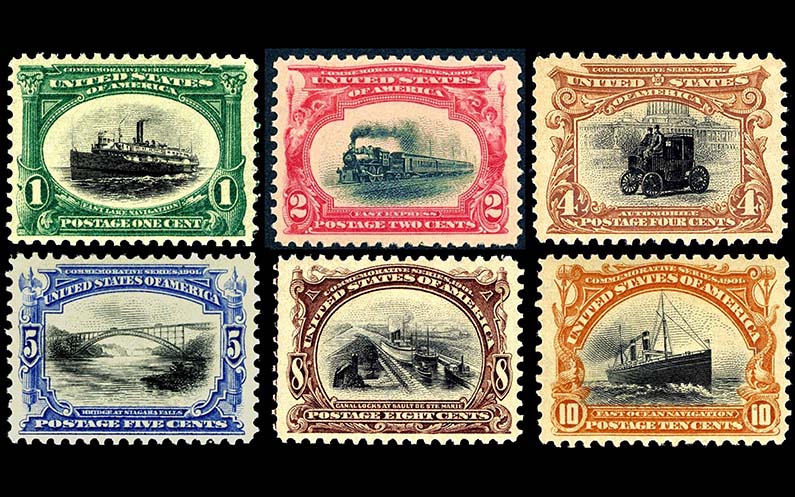
The Pan-American Exposition Issue: A Commemorative of Progress and Tragedy
The Pan-American Exposition Issue is one of the most distinctive and historically significant series of United States commemorative postage stamps. Released in conjunction with the 1901 Pan-American…
Subscribe
newsletter
(503) 440-4441