

The story of postage stamps is rooted in the need for postal reform, particularly in 19th-century Britain. Before their invention, the postal system was complex and inefficient. Postage rates were often exorbitant, calculated based on the distance a letter traveled and the number of sheets of paper it contained. This system placed the burden of payment on the recipient, leading to frequent issues with unpaid mail, as recipients either couldn't afford the cost or simply refused to pay. This cumbersome process not only hindered the efficiency of postal services but also discouraged widespread communication.
Sir Rowland Hill - Creator of the World's First Postage Stamp
Hill's proposals faced initial resistance from the British government, who were skeptical of such a drastic change. However, merchants and the public recognized the potential benefits of his system and pressured the government to consider it. In 1839, Hill was granted a contract to implement his reforms. The first official postage stamp, the Penny Black, was issued in the United Kingdom on May 1, 1840. This stamp, featuring the profile of Queen Victoria, revolutionized postal services and marked the beginning of a new era in communication.

Penny Black - World's First Postage Stamp
The introduction of the Penny Black was a resounding success. It streamlined the postal process, making it faster, more efficient, and more affordable. The concept of prepayment using adhesive stamps quickly gained popularity, and other countries soon followed suit. Brazil issued its first stamp in 1843, and the United States followed in 1847. By the mid-19th century, postage stamps had become a standard feature of postal systems worldwide.
The impact of postage stamps extended far beyond mere postal efficiency. They democratized communication, enabling people from all walks of life to send and receive letters with ease. This facilitated personal correspondence, business transactions, and the dissemination of information, contributing to social, economic, and cultural development. The humble postage stamp, a small piece of paper, played a significant role in connecting people and shaping the modern world.
Today, while electronic communication has transformed the way we interact, postage stamps continue to hold a place in our society. They remain an essential tool for physical mail, and they have also evolved into collectible items, often featuring intricate designs that commemorate historical events, celebrate cultural icons, and showcase the unique identity of nations. The story of postage stamps is a testament to the power of innovation in addressing societal needs and the enduring importance of communication.
Notes From A Stamp Collector
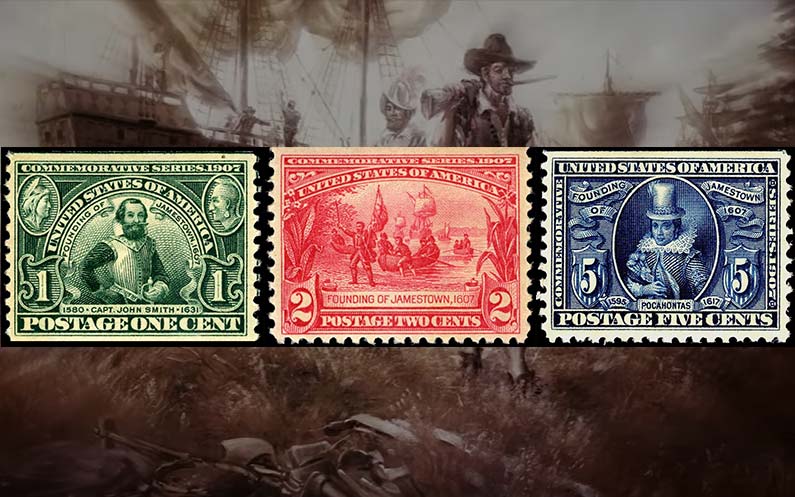
Jamestown Exposition Issue: Commemorative Stamps of 1907
The 1907 Jamestown Exposition Issue stands as one of the most culturally significant and visually striking commemorative stamp series of the early 20th century. Released by the United States Post...

Iconic Country Stamps: French Guinea 1904 Fulah Shepherd
In the world of philately, French Guinea (now the Republic of Guinea) occupies a unique space within the "French West Africa" (AOF) collecting category. Unlike British Guiana, which has a single...
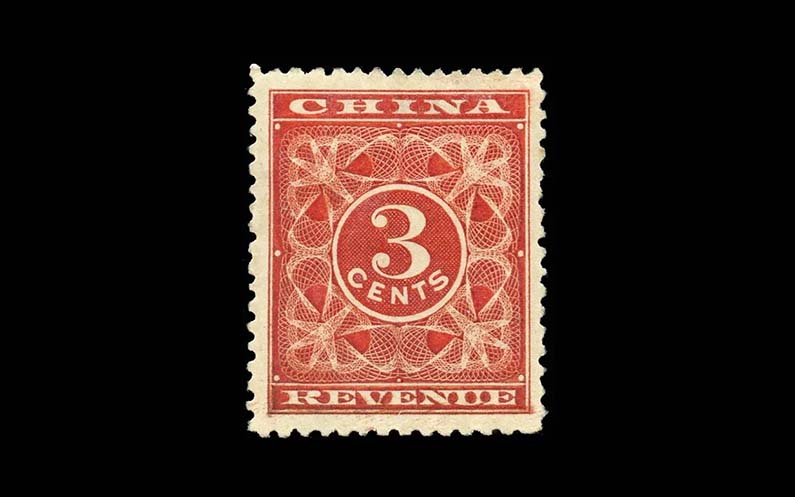
Iconic Country Stamps: China’s Famous Red Revenue Stamp (1897)
China has a few stamps that are considered incredibly famous and valuable, but one of the most consistently prized and historically significant is the Red Revenue stamp, particularly the "Small One...
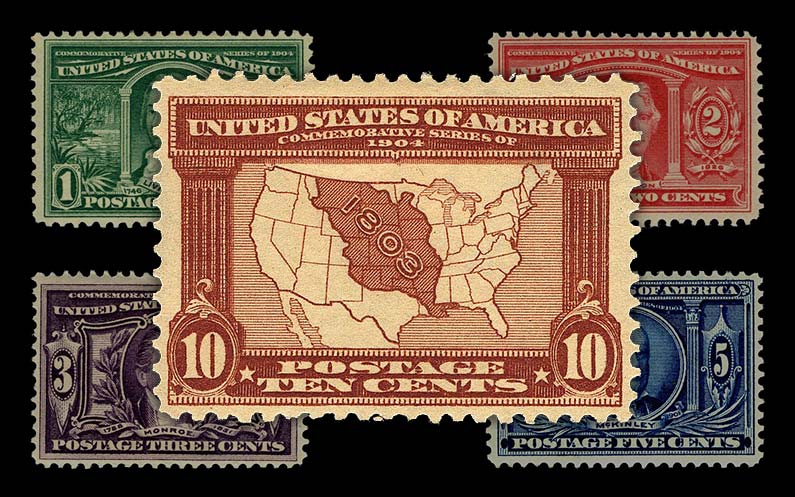
Louisiana Purchase Exposition: Commemorative Series of the 1904 World’s Fair
The 1904 Louisiana Purchase Exposition Issue represents a pivotal moment in American philatelic history. Issued to celebrate the centennial of the Louisiana Purchase and to publicize the St. Louis...
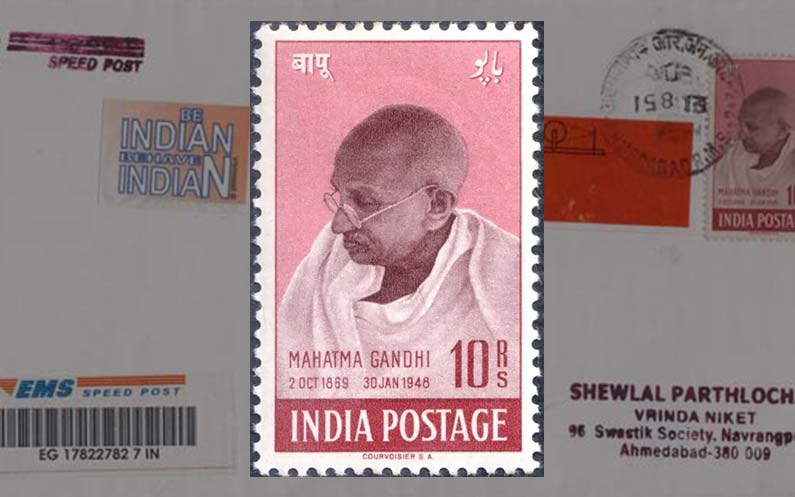
Iconic Country Stamps: India’s 10 Rupee Mahatma Gandhi
India's most famous and valuable postage stamp is undoubtedly the 10 Rupee Mahatma Gandhi stamp of 1948. This stamp, issued on the first anniversary of India's independence, holds a special place in...
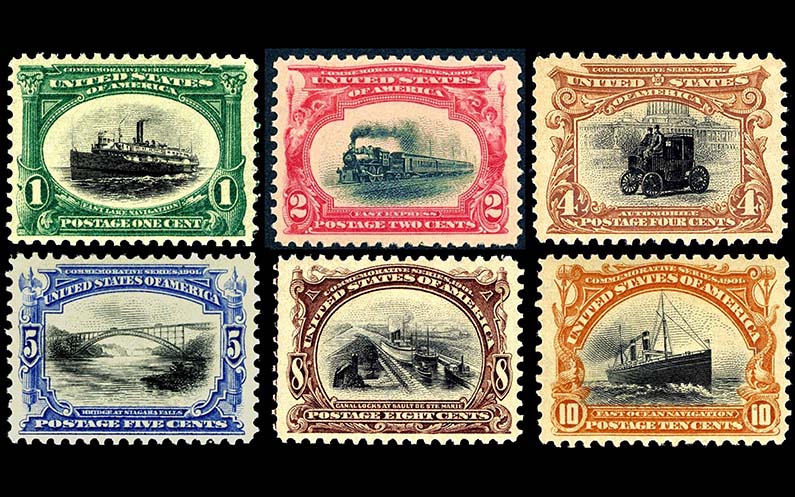
The Pan-American Exposition Issue: A Commemorative of Progress and Tragedy
The Pan-American Exposition Issue is one of the most distinctive and historically significant series of United States commemorative postage stamps. Released in conjunction with the 1901 Pan-American...
Subscribe
newsletter
(503) 440-4441